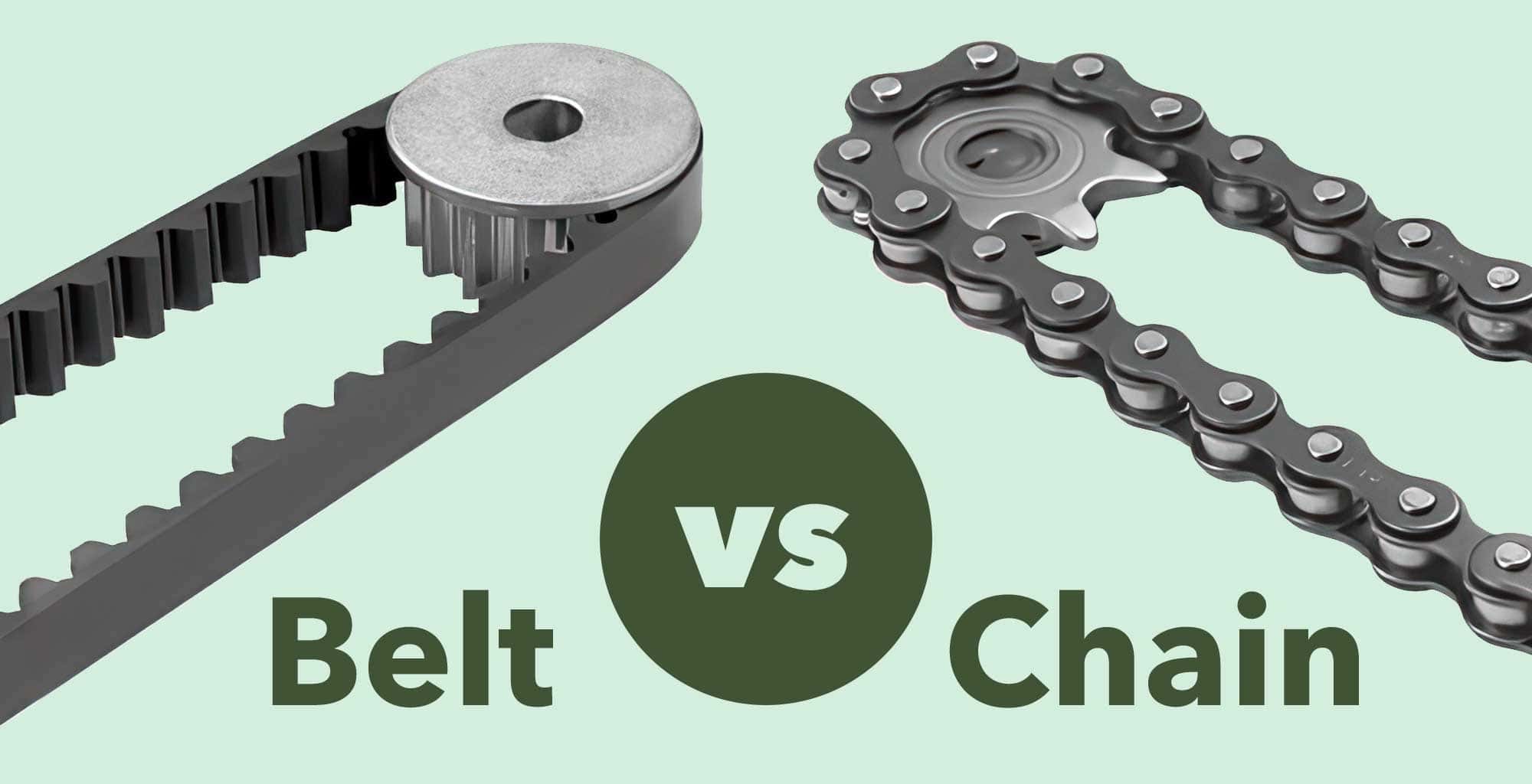
For all-weather urban cyclists, the bicycle drivetrain is ground zero for mechanical wear. Winter road salt, persistent rain, and airborne grit transform wet chain lubricant into an abrasive grinding paste within days. Deciding between a traditional roller chain and a carbon-reinforced belt drive is fundamentally a calculation between upfront capital cost and daily maintenance friction.
While traditional chain derailleurs still dominate entry-level and performance road bicycles, Gates Carbon Drive systems paired with internal gear hubs have become the benchmark for dedicated European commuter bikes. Understanding the mechanical realities of both systems prevents costly purchasing missteps.
Mechanical Architecture: How They Differ
A conventional chain system relies on articulated steel links revolving over exposed cog teeth, shifting externally across a multi-sprocket cassette via a derailleur cage. Because the system is fully exposed to road spray, it demands continuous degreasing and re-lubrication to prevent oxidisation and premature metal elongation (commonly referred to as chain stretch).
A belt drive replaces steel links with a single continuous loop of polyurethane embedded with high-tensile carbon-fibre cords. The belt features moulded teeth that mesh directly into matching alloy or stainless-steel sprockets. Because a belt cannot shift laterally across sprockets, it operates in an unbroken, straight chainline and must be paired with either a single-speed setup, an internal gear hub (IGH), or a bottom-bracket gearbox.
Head-to-Head Specification Comparison
| Performance Metric | Traditional Chain (1x / 2x Derailleur) | Gates Carbon Belt Drive (CDX / CDN) |
|---|---|---|
| Expected Lifespan | 3,000 – 5,000 km (requires periodic replacement) | 15,000 – 30,000 km (sprockets outlast 2–3 chains) |
| Lubrication Requirement | Wet/dry synthetic oil or hot melt wax every 150 km | Zero lubrication required (rinse with clean water) |
| Weather & Road Salt Resistance | Prone to rapid rust and grit grinding paste | Impervious to water, mud, salt, and surface corrosion |
| Mechanical Efficiency | 97% – 98.5% when clean and optimally tensioned | 96% – 97.5% (negligible resistance increase at commuter cadence) |
| Gear Shifting Integration | External derailleurs (steps across 8–12 cogs) | Internal gear hubs (Shimano Nexus/Alfine, Rohloff, Enviolo) |
| Frame Compatibility | Fits all standard closed rear triangle frames | Requires a split rear triangle frame (to install loop) |
| Upfront Purchase Cost | Lower initial investment (€) | Higher initial investment (€€€) |
The Daily Realities of Wet-Weather Commuting
The primary advantage of a belt drive is not raw speed; it is the total elimination of drivetrain hygiene chores. On a standard commuter bike equipped with an exposed chain, rain wash clears away protective oils while flinging black petroleum residue onto commuter trousers, ankle cuffs, and train interiors.
A belt drive runs dry. It requires no oil, wax, or chemical solvents. When ridden through slush, standing puddles, or construction dust, maintenance consists of spraying the sprockets with tap water to dislodge surface grit. For multi-modal commuters who carry their bicycles into train carriages or office hallways, the absence of grease completely removes the hazard of ruined clothing.
Gates CDX vs Gates CDN: Understanding the Tiers
If purchasing a belt-drive bicycle, pay close attention to the specific Gates product line specified on the build sheet:
- Gates CDN (Urban Line): Engineered for casual city riding and moderate mileage. CDN sprockets utilize engineered composite plastics, and the belts have lower tensile cords. They are adequate for flat urban commutes but wear noticeably faster under high-torque electric bike motors.
- Gates CDX (High-Performance Line): Built with stainless-steel or premium hard-anodised aluminium sprockets and high-modulus carbon tensile cords. CDX is strictly required for mid-drive e-bikes, hill climbs, and high annual mileage, offering lifespans exceeding 20,000 kilometres under heavy load.
The Trade-Offs: Frame Splits, Efficiency, and Gearing
Despite their clear commuter benefits, belt drives introduce specific engineering constraints that make them unsuitable for every rider:
1. Frame Splitting and Lateral Rigidity
Because a carbon belt is a continuous unbroken loop, it cannot be broken and rejoined with a chain tool. The bicycle frame itself must incorporate a physical split in the rear triangle (usually at the right dropout or seatstay junction) to allow the belt into the rear dropouts. Furthermore, belts require exceptional frame lateral stiffness; flexible frames allow the belt to walk off the sprocket under hard out-of-the-saddle pedalling.
2. The Internal Gear Hub Weight Penalty
Because belts cannot derail across cogs, you must pair them with an internal gear hub (such as a Shimano Nexus 8, Alfine 11, or Rohloff Speedhub) or a bottom-bracket gearbox (Pinion). While internal hubs protect delicate shifting pawls from road spray, they concentrate 1.5 to 2.2 kilograms of mass directly over the rear axle, altering the bicycle’s balance point when carried up station staircases.
3. Real-World Mechanical Friction
Under lab conditions with a brand-new, perfectly oiled chain, an external derailleur drivetrain is slightly more mechanically efficient than a belt drive under heavy wattage (around 1 to 2 watts difference). However, in realistic winter conditions—where a chain has run through 40 kilometres of rain and grit—the balance flips: the grimy chain’s friction climbs dramatically, whereas the belt maintains constant resistance regardless of surface dirt.
5,000-Kilometre Total Cost of Ownership
A standard derailleur setup is cheaper on the showroom floor, but urban wear accelerates operational expenses. Over a typical two-year commuting cycle (approximately 5,000 km in all weather):
- Chain Drivetrain Upkeep: Expect to consume two chains (€50), one cassette (€45), two sets of jockey wheels (€15), plus degreaser and wet lubricant (€30). Total consumable expenditure: approximately €140, excluding home workshop time or shop labor.
- Carbon Belt Drivetrain Upkeep: A quality Gates CDX belt and stainless-steel rear sprocket will complete 5,000 km with zero measurable tooth wear. Consumable expenditure: €0.
While the initial retail premium for a belt-equipped bicycle is typically €200 to €350 higher than an equivalent chain model, that cost difference is largely recovered within 24 to 36 months through avoided replacement parts and saved maintenance hours.
The Commuter Verdict
If you prioritize lowest upfront purchase cost, want ultra-wide gear ratios for steep countryside touring, or already maintain your own bicycles with a home workshop, a traditional chain and derailleur system remains a versatile choice.
However, for the daily urban commuter riding through rain, road salt, and winter dark—particularly those integrating their ride with regional trains or storing bikes indoors—a Gates CDX carbon belt drive paired with an internal gear hub is undeniably superior. It transforms the bicycle from an ongoing mechanical project into an all-weather utility machine that simply works every morning.