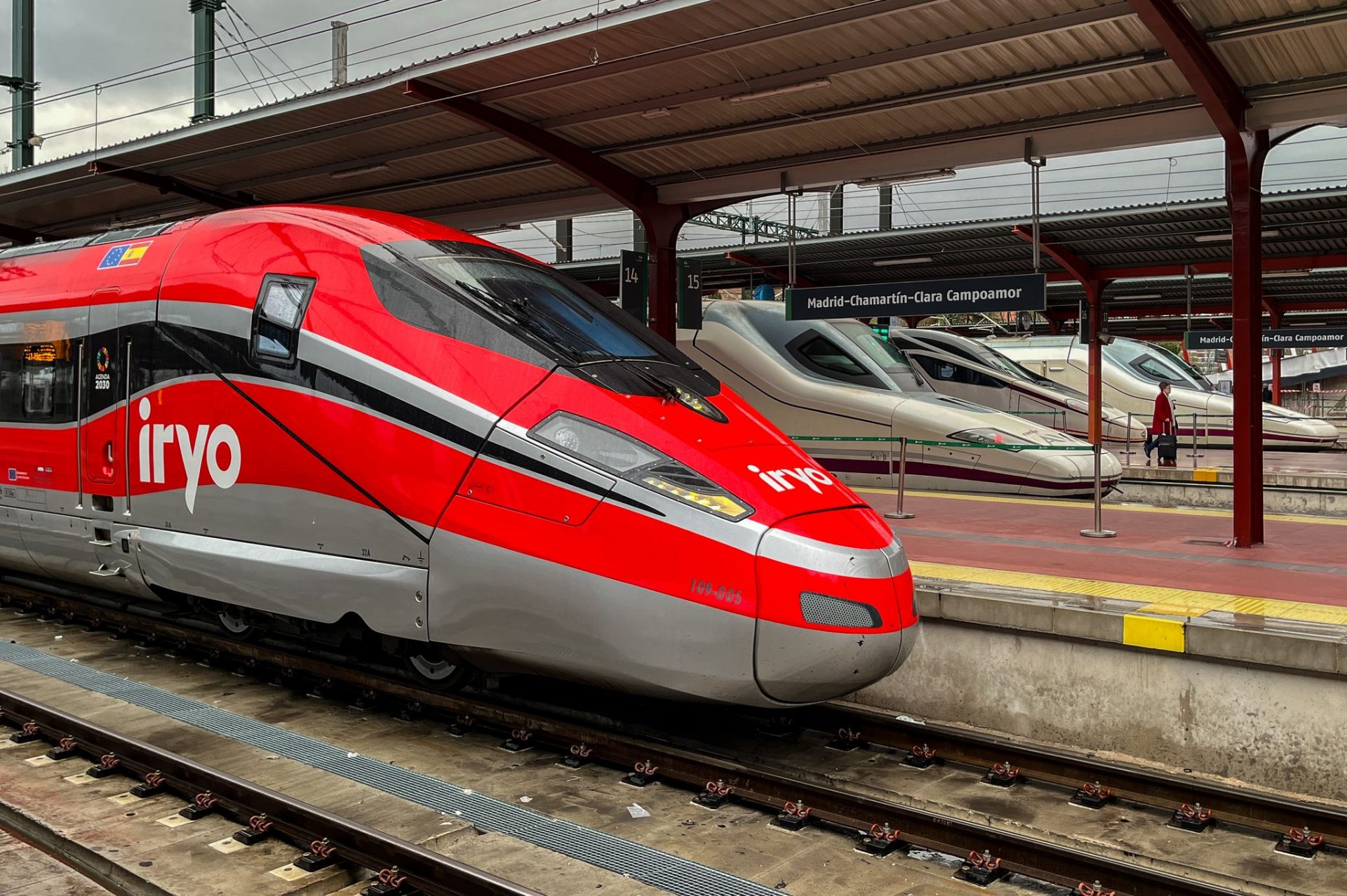
National transport authorities across Europe have begun dismantling the historic patchwork of municipal fare zones in favour of simplified, flat-rate subscription models. Spearheaded by Germany’s Deutschlandticket and Austria’s nationwide KlimaTicket, these unified passes allow commuters to travel seamlessly across regional rail, suburban S-Bahn networks, underground U-Bahn lines, trams, and rural bus fleets with a single digital ticket.
For daily cross-modal commuters, these flat-rate passes eliminate the administrative friction of multiple monthly tickets and transfer surcharges, radically shifting the cost equation between private car ownership and integrated rail travel.
Flat-Rate Transit Passes: Architectural Overview
Flat-rate subscriptions differ fundamentally from point-to-point commuter passes. Rather than tying travel rights to a specific corridor or fare ring, they grant network-wide access across designated tiers of public transit operators.
| Scheme | Coverage Scope | Eligible Transit Modes | Primary Exclusions |
|---|---|---|---|
| Deutschlandticket (Germany) | Nationwide across all 16 federal states | Regional trains (RB, RE), S-Bahn, U-Bahn, trams, public city buses | Long-distance rail (ICE, IC, EC), private scenic lines, FlixTrain |
| KlimaTicket Ö (Austria) | Nationwide across entire federal territory | All scheduled public transport including high-speed rail (Railjet, Westbahn, Nightjet) | Special heritage tourist rail, select mountain cableways |
| General-Abonnement / GA (Switzerland) | Nationwide Swiss Travel System | SBB rail network, postal buses (PostAuto), urban trams, lake passenger ferries | High-alpine tourist railways (discounted rather than free) |
| Ungdomskort / Pendlerkort (Denmark) | Zonal and regional corridors | DSB trains, Metro, local buses across selected commute zones | Unzoned regional crossing without supplement |
Deutschlandticket: Deep-Dive into the €58 Model
Introduced as the successor to the experimental €9 ticket, the Deutschlandticket (colloquially the D-Ticket) functions as a rolling monthly subscription. It provides unlimited access to all local and regional public transport throughout Germany.
Operational Boundaries & Train Types
- Allowed: All Regionalbahn (RB), Regional-Express (RE), S-Bahn, U-Bahn, Straßenbahn (tram), and municipal bus routes across every transport association (such as BVG in Berlin, MVV in Munich, or HVV in Hamburg).
- Strictly Excluded: Long-distance express trains operated by DB Fernverkehr (ICE, IC, EC) and private open-access operators like FlixTrain. If your regional train is delayed, the Deutschlandticket does not grant automatic entitlement to board an ICE without buying a separate full-fare ticket.
- Cross-Border Exceptions: The ticket remains valid to select border stations outside Germany where regional lines terminate, including Salzburg Hbf (Austria), Kufstein (Austria), Basel Bad Bf (Switzerland), and Venlo (Netherlands).
Bicycle & Folding E-Bike Carriage Rules
The Deutschlandticket does not automatically include nationwide bicycle carriage. Rules governing bikes vary by transport association:
- Full-Size Bicycles: In most regions (such as Bavaria and Baden-Württemberg), full-size non-folding bikes require an additional Fahrradtageskarte (bike day ticket).
- Folding E-Bikes: Fully collapsed folding bikes and compact micro-mobility scooters count as carry-on luggage across all German networks and travel free of charge at all times, provided they fit in overhead racks or between seat backs.
Austria’s KlimaTicket: The Gold Standard for Intercity Travel
While Germany’s pass intentionally excludes high-speed trains, Austria’s KlimaTicket Ö takes the concept to its logical maximum: an all-inclusive annual pass covering everything from municipal trams in Vienna to 230 km/h Railjet services connecting Salzburg, Linz, and Graz.
- Pricing & Amortisation: Costing approximately €1,179 annually (with discounted tiers for youth, seniors, and travellers with disabilities), the ticket breaks even for regular commuters completing just two medium-distance intercity trips per month.
- Regional Variants: For residents who rarely cross provincial borders, each Austrian province offers regional versions (such as the KlimaTicket Wien or KlimaTicket Steiermark) at lower annual rates.
How Flat-Rate Passes Change the Commuter Budget
Pairing a national rail pass with a folding electric bike fundamentally restructures suburban commuter economics. When private car running costs—fuel, insurance, depreciation, and city parking—are replaced by a flat €58/month or €98/month transit subscription, annual household savings routinely exceed €2,500 to €4,000.
Furthermore, because the ticket covers weekend and evening leisure travel across every city in the country, transit expenses become a fixed, predictable utility cost rather than a variable expense per kilometre traveled.
Essential Guidance for Cross-Border & Intermodal Commuters
- Purchase via Digital Wallet Apps: Avoid buying subscription passes as paper vouchers. Loading your Deutschlandticket or regional pass into apps like DB Navigator, MVGO, or local operator portals guarantees instant monthly renewal and easy display during barcode inspections.
- Watch Subscription Cut-Off Dates: Most subscription passes auto-renew on a calendar-month basis. Cancellation deadlines generally require notification by the 10th day of the current month to avoid billing for the following month.
- Verify Regional Rail Codes: When planning connections on station displays, always look for the two-letter prefix: RE, RB, and S are covered under regional passes; IC, ICE, and EC require separate long-distance reservations.